Blog
The Importance of Vegan Protein Intake: A Complete Guide to a Balanced Lifestyle

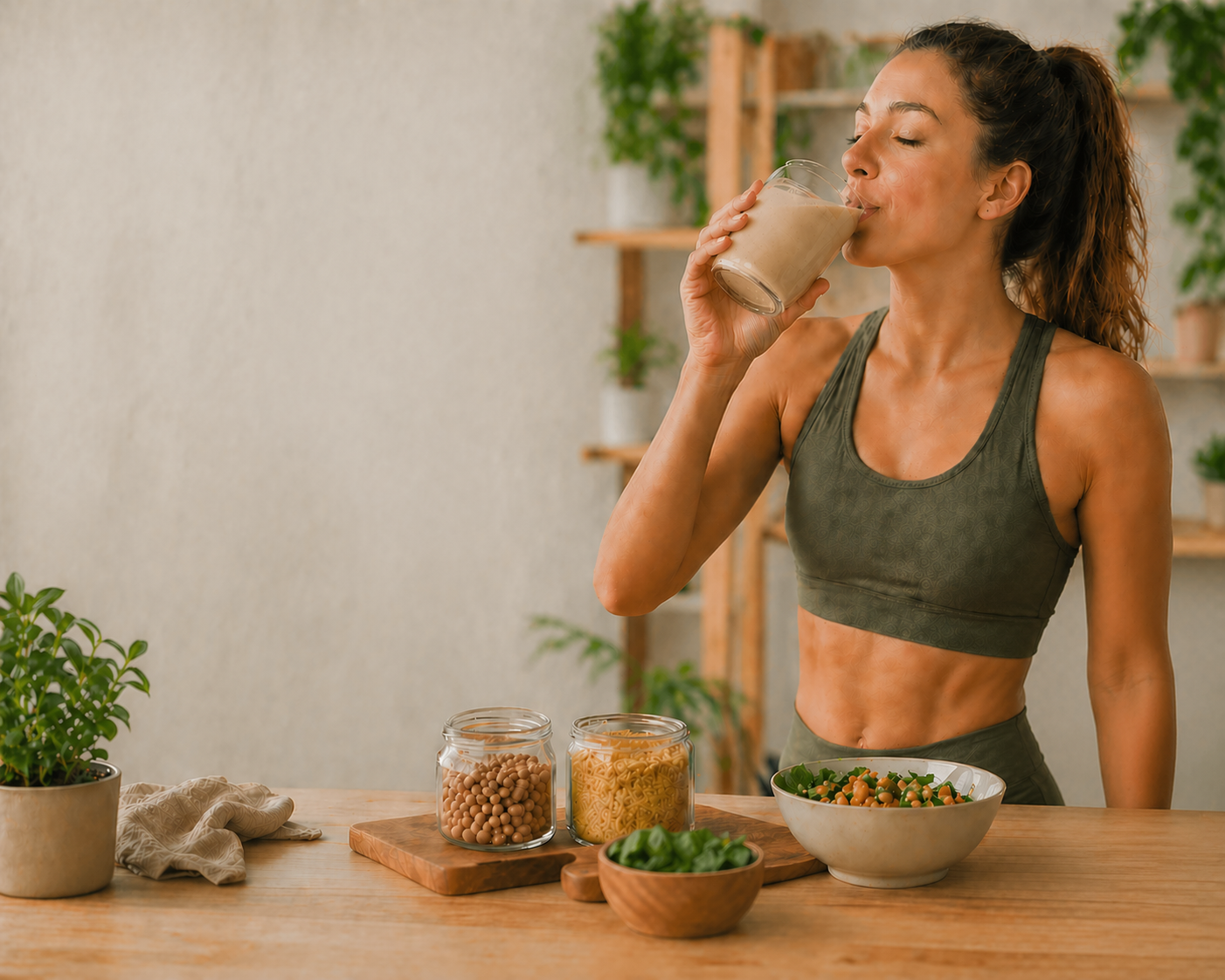
In recent years, plant-based protein has evolved from a “vegan alternative” to a conscious choice for health, performance, and sustainability. A growing number of studies show that plant-based proteins not only meet daily requirements but also offer additional health benefits.
Vegan protein is no longer just a niche choice. Today, it is backed by scientific studies and embraced by health-conscious individuals, athletes, and people seeking a more sustainable lifestyle.
In addition to traditional sources such as lentils and chickpeas, innovative options are also emerging—such as proteins derived from nutritional yeasts, including Saccharomyces cerevisiae.
What is vegan protein and why does it matter?
Vegan protein comes from plants as well as microorganisms (such as yeast). It provides the amino acids the body needs without the cholesterol or saturated fat found in animal products.
Important: A varied diet can fully meet your needs for essential amino acids—you don’t have to get them all from a single source.
Yeast proteins: a modern and valuable source
One of the most interesting emerging sources is nutritional yeast, particularly that derived from Saccharomyces cerevisiae.
What makes them special?
- Complete amino acid profile – contains all essential amino acids
- High digestibility – easily absorbed by the body
- Rich in B vitamins —sometimes including B12 (in fortified versions)
- Lactose-free and gluten-free (naturally)
- Pleasant taste, slightly “cheesy” —which is why they’re popular in vegan cuisine
In addition to Saccharomyces cerevisiae, other related yeasts (e.g., Candida utilis) are also being studied; these are used in the food industry for the production of single-cell protein.
These proteins are considered a solution for the future due to their production efficiency and low environmental impact.
The Benefits of Consuming Vegan Protein
1. Supports heart health
With no cholesterol and low levels of saturated fat, plant-based proteins help reduce the risk of cardiovascular disease.
2. Helps maintain muscle mass
Contrary to popular belief, vegan proteins (including those found in yeast) can effectively support muscle mass, especially when consumed properly.
3. Improves digestion
Plant-based foods are a good source of fiber, which supports the gut microbiome.
4. Promotes satiety and aids in weight management
It helps you feel full longer, cutting down on unnecessary snacking.
5. More stable power
No sudden spikes in blood sugar, especially when combined with complex carbohydrates.
How to Consume Vegan Protein Properly
Combine traditional sources
- rice + beans
- lentils + whole-grain bread
- chickpeas + tahini
Iincludes “complete” sources
This is where I come in:
- soy (tofu, tempeh)
- quinoa
- yeast proteins (e.g., inactive yeast flakes)
Don’t rely on just one food
Diversity = a complete nutritional profile.
Pay attention to micronutrients
Vitamin B12, iron, and omega-3s need to be monitored in a vegan diet.
When is the best time to eat vegan protein?
In the morning
For sustained energy and reduced cravings.
After practice
Protein (including that found in yeast or vegan shakes) helps with muscle recovery.
Throughout the day
Spread your protein intake over 3–4 meals for optimal absorption.
Who should eat vegan protein
- Active individuals and athletes
- People who want to lose weight
- People with lactose intolerance
- Anyone who wants a more balanced diet
Even omnivores can benefit from increasing their intake of plant-based protein.
Conclusion
Vegan protein isn’t just adequate—it can actually be superior in certain contexts, especially thanks to its metabolic and digestive benefits.
And new sources, such as yeast proteins (e.g., Saccharomyces cerevisiae), clearly point the way forward for modern nutrition: efficient, sustainable, and tailored to the body’s actual needs.
Sources (studies and academic articles)
Rutherfurd-Markwick et al. (2022) – Plant Protein Nutrition (PMC)
Journal of Food Science – Nutritional Yeast and Protein Bioavailability
Academy of Nutrition and Dietetics – Position on Vegetarian Diets
Harvard T.H. Chan School of Public Health – Plant-Based Diets and Health